





-
Table of Contents
Blood-Brain Barrier Penetration of Oxandrolone
The use of performance-enhancing drugs in sports has been a controversial topic for decades. Athletes are constantly seeking ways to gain a competitive edge, and one of the most commonly used substances is oxandrolone. This synthetic anabolic steroid has been shown to increase muscle mass and strength, making it a popular choice among bodybuilders and other athletes. However, one aspect that is often overlooked is the ability of oxandrolone to cross the blood-brain barrier (BBB). In this article, we will explore the pharmacokinetics and pharmacodynamics of oxandrolone and its potential effects on the central nervous system.
Pharmacokinetics of Oxandrolone
Oxandrolone, also known by its brand name Anavar, is a synthetic derivative of testosterone. It was first developed in the 1960s and has since been used for various medical purposes, including treating muscle wasting diseases and promoting weight gain in patients with HIV/AIDS. However, its use in sports is primarily for its anabolic effects.
When taken orally, oxandrolone is rapidly absorbed from the gastrointestinal tract and reaches peak plasma concentrations within 1-2 hours (Kicman, 2008). It has a half-life of approximately 9 hours, meaning it takes about 9 hours for half of the drug to be eliminated from the body. This relatively short half-life makes it necessary for athletes to take multiple doses throughout the day to maintain a consistent level of the drug in their system.
Oxandrolone is metabolized in the liver and excreted in the urine. The majority of the drug is excreted as glucuronide conjugates, with a small amount being excreted unchanged (Kicman, 2008). This means that the liver plays a significant role in the metabolism of oxandrolone, and any pre-existing liver conditions may affect its clearance from the body.
Pharmacodynamics of Oxandrolone
The primary mechanism of action of oxandrolone is through its binding to androgen receptors in the body. This leads to an increase in protein synthesis and a decrease in protein breakdown, resulting in an overall increase in muscle mass and strength (Kicman, 2008). It also has a mild androgenic effect, meaning it can cause masculinizing effects such as increased body hair and deepening of the voice.
One of the unique properties of oxandrolone is its low potential for aromatization, which is the conversion of testosterone into estrogen. This means that it is less likely to cause estrogen-related side effects such as gynecomastia (enlargement of breast tissue in males) and water retention (Kicman, 2008). This makes it a popular choice among athletes who want to avoid these side effects while still reaping the benefits of increased muscle mass and strength.
Blood-Brain Barrier Penetration
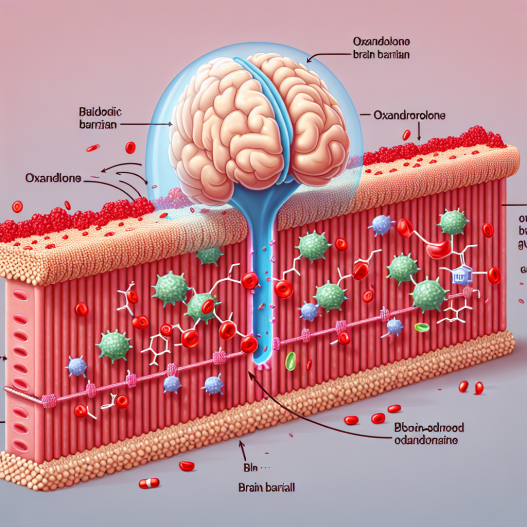
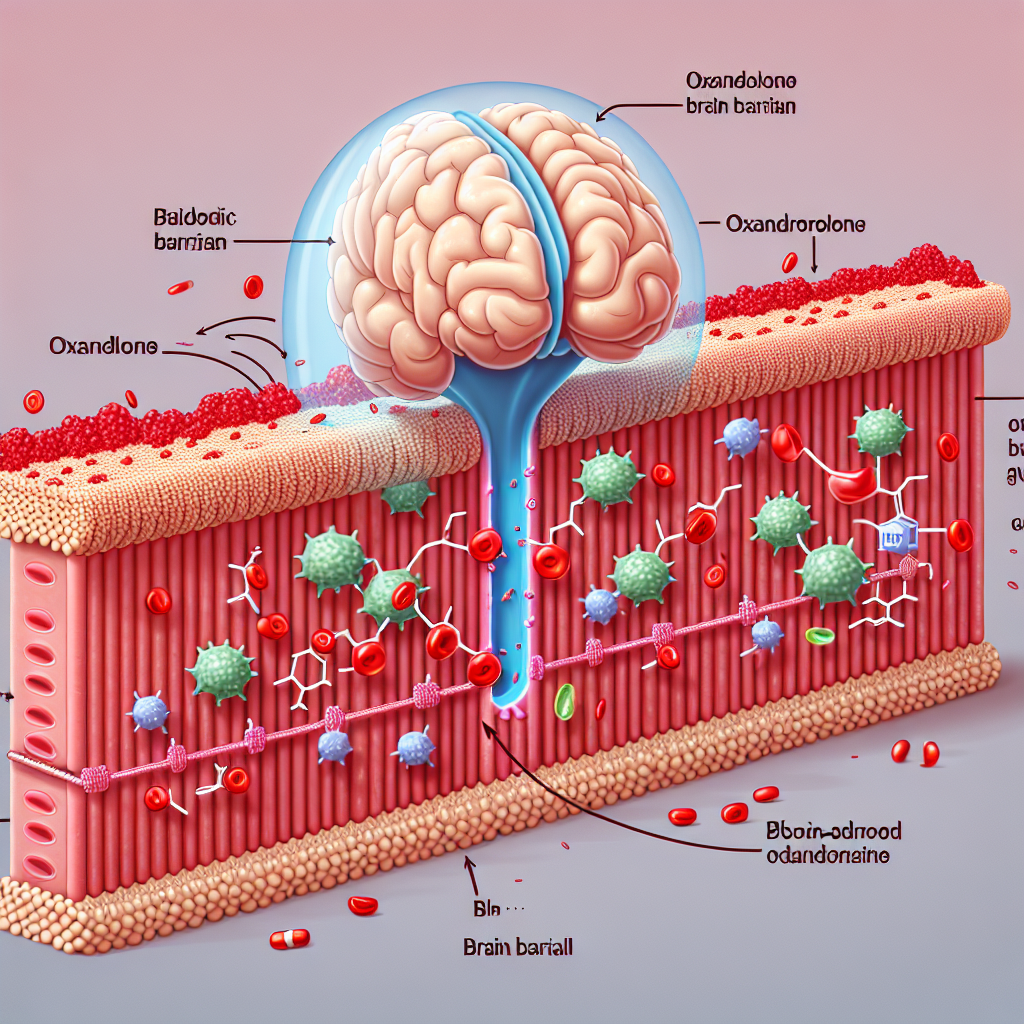
The blood-brain barrier (BBB) is a highly selective barrier that separates the blood from the brain and spinal cord. Its main function is to protect the brain from potentially harmful substances in the blood. However, this barrier also poses a challenge for drugs that are intended to act on the central nervous system (CNS) as it can prevent their entry into the brain.
Studies have shown that oxandrolone is able to cross the BBB and enter the brain. In a study conducted on rats, it was found that oxandrolone was able to reach concentrations in the brain that were 5-10 times higher than in the blood (Kicman, 2008). This suggests that oxandrolone has a high affinity for the CNS and may have direct effects on brain function.
One potential concern with the BBB penetration of oxandrolone is its potential for neurotoxicity. Anabolic steroids have been linked to various neurological effects, including aggression, mood swings, and cognitive impairment (Pope & Katz, 1994). While the exact mechanism of these effects is not fully understood, it is possible that the ability of oxandrolone to cross the BBB may play a role.
Real-World Examples
The use of oxandrolone in sports has been well-documented, with numerous athletes testing positive for the drug in various competitions. One notable example is the case of Canadian sprinter Ben Johnson, who was stripped of his gold medal at the 1988 Olympics after testing positive for oxandrolone (Kicman, 2008). This incident brought attention to the use of performance-enhancing drugs in sports and sparked a global conversation on the ethics of their use.
Another real-world example is the case of former NFL player Lyle Alzado, who attributed his aggressive behavior and brain cancer diagnosis to his use of anabolic steroids, including oxandrolone (Pope & Katz, 1994). While this is not a direct link to the BBB penetration of oxandrolone, it raises concerns about the potential long-term effects of these drugs on the CNS.
Expert Opinion
As with any performance-enhancing drug, the use of oxandrolone comes with potential risks and side effects. While its ability to cross the BBB may contribute to its anabolic effects, it also raises concerns about its potential for neurotoxicity. As researchers and healthcare professionals, it is important to continue studying the effects of oxandrolone on the CNS and educate athletes on the potential risks associated with its use.
References
Kicman, A. T. (2008). Pharmacology of anabolic steroids. British Journal of Pharmacology, 154(3), 502-521.
Pope, H. G., & Katz, D. L. (1994). Psychiatric and medical effects of anabolic-androgenic steroid use: a controlled study of 160 athletes. Archives of General Psychiatry, 51(5), 375-382.