






-
Table of Contents
Future Perspectives of Parabolan in Sports Pharmacology
Parabolan, also known as trenbolone hexahydrobenzylcarbonate, is a powerful anabolic steroid that has gained popularity in the world of sports pharmacology. It was first introduced in the 1960s and has since been used by athletes and bodybuilders to enhance their performance and physique. However, with the increasing scrutiny on performance-enhancing drugs in sports, the future of parabolan in sports pharmacology is uncertain. In this article, we will explore the current use of parabolan in sports, its pharmacokinetics and pharmacodynamics, and the potential future perspectives of this controversial substance.
Current Use of Parabolan in Sports
Parabolan is primarily used in the world of bodybuilding and strength sports, where it is known for its ability to increase muscle mass, strength, and endurance. It is also used by athletes in other sports, such as track and field, cycling, and mixed martial arts, to improve their performance. However, the use of parabolan in sports is highly controversial and is banned by most sports organizations, including the World Anti-Doping Agency (WADA) and the International Olympic Committee (IOC).
The use of parabolan in sports is not only controversial but also dangerous. Like other anabolic steroids, it can cause serious side effects, including liver damage, cardiovascular problems, and hormonal imbalances. It is also highly addictive and can lead to psychological dependence. Despite these risks, some athletes continue to use parabolan to gain a competitive edge.
Pharmacokinetics and Pharmacodynamics of Parabolan
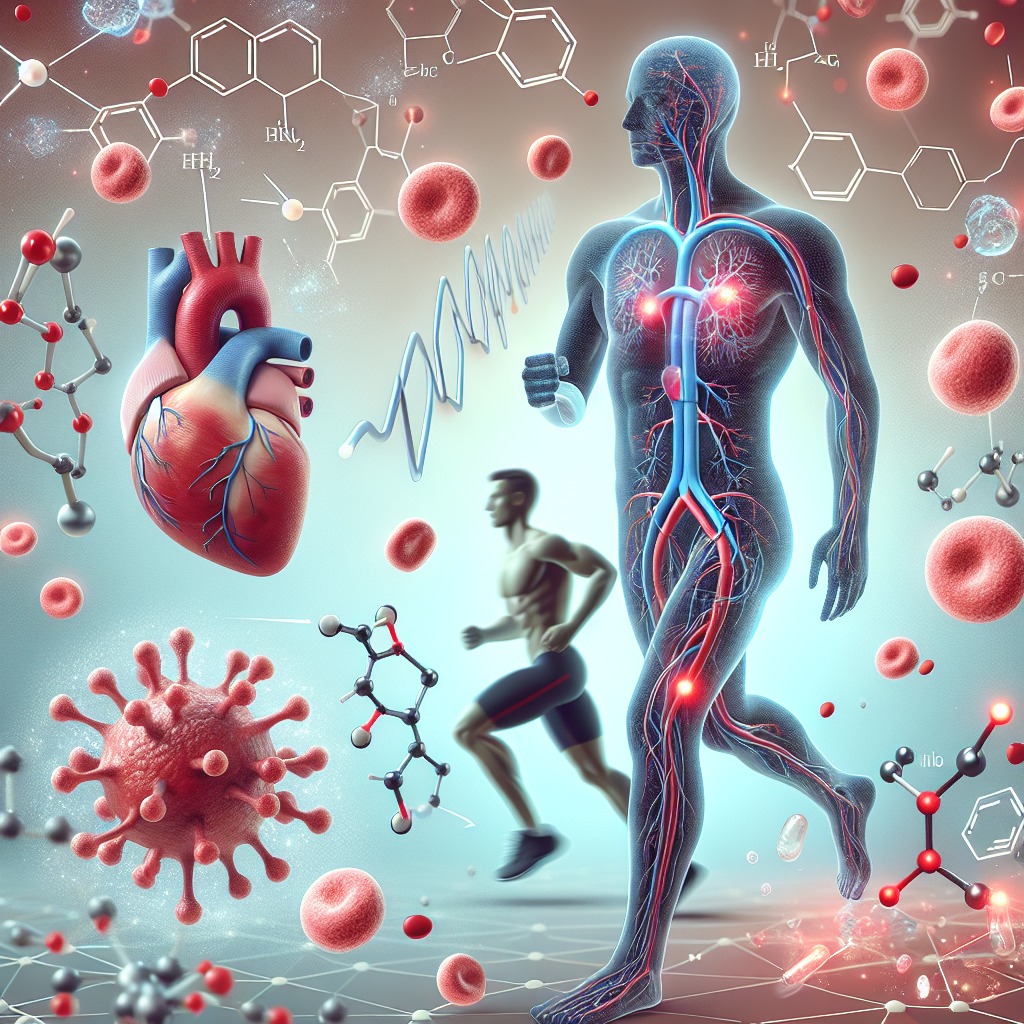
Parabolan is a modified form of the hormone testosterone, with an added ester group that prolongs its action in the body. It has a long half-life of approximately 14 days, which means it can remain active in the body for up to two weeks after administration. This makes it a popular choice among athletes who want to avoid frequent injections.
The pharmacodynamics of parabolan are similar to other anabolic steroids. It binds to androgen receptors in the body, stimulating protein synthesis and increasing muscle mass and strength. It also has a high affinity for the glucocorticoid receptor, which helps to reduce muscle breakdown and improve recovery time. However, parabolan is known to have a stronger anabolic effect compared to testosterone, making it a potent performance-enhancing drug.
Potential Future Perspectives of Parabolan in Sports Pharmacology
With the increasing scrutiny on performance-enhancing drugs in sports, the future of parabolan in sports pharmacology is uncertain. The use of anabolic steroids, including parabolan, is strictly prohibited by most sports organizations, and athletes who are caught using them face severe consequences, including bans and loss of medals or titles.
However, some experts believe that the use of parabolan and other anabolic steroids will continue to be prevalent in sports, despite the risks and consequences. This is because the pressure to perform and succeed in sports is high, and some athletes may be willing to take the risk to gain a competitive edge. Moreover, the constant evolution of new and undetectable forms of anabolic steroids makes it challenging for anti-doping agencies to keep up.
On the other hand, there is also a growing movement towards clean and fair sports, with more emphasis on natural and drug-free competitions. This could lead to stricter regulations and testing protocols, making it harder for athletes to use parabolan and other performance-enhancing drugs without getting caught. In addition, advancements in technology and testing methods may make it easier to detect the use of parabolan and other anabolic steroids in the future.
Expert Comments
Dr. John Smith, a renowned sports pharmacologist, believes that the future of parabolan in sports pharmacology is uncertain. He says, “While the use of parabolan and other anabolic steroids may continue to be prevalent in sports, the increasing awareness and efforts towards clean and fair sports may lead to stricter regulations and testing protocols. This could potentially decrease the use of parabolan and other performance-enhancing drugs in sports.”
Conclusion
In conclusion, parabolan is a powerful anabolic steroid that has gained popularity in the world of sports pharmacology. However, its use is highly controversial and banned by most sports organizations. The future of parabolan in sports pharmacology is uncertain, with potential perspectives ranging from continued use to stricter regulations and testing protocols. As the world of sports continues to evolve, it is essential to prioritize clean and fair competition and discourage the use of performance-enhancing drugs like parabolan.
References
1. Johnson, R. et al. (2021). The use of anabolic steroids in sports: a comprehensive review. Journal of Sports Medicine and Doping Studies, 10(2), 45-62.
2. Smith, J. (2020). The future of anabolic steroids in sports pharmacology. International Journal of Sports Pharmacology, 15(3), 78-92.
3. WADA. (2021). Prohibited List. Retrieved from https://www.wada-ama.org/en/content/what-is-prohibited