




-
Table of Contents
- Prohormones and Muscles: The Link Between Performance-Enhancing Substances and Physical Performance
- The Science Behind Prohormones
- The Potential Benefits of Prohormones on Muscles
- The Risks and Side Effects of Prohormones
- The Importance of Proper Use and Monitoring
- Expert Opinion
- Conclusion
- References
Prohormones and Muscles: The Link Between Performance-Enhancing Substances and Physical Performance
In the world of sports, athletes are constantly seeking ways to improve their physical performance and gain a competitive edge. This has led to the use of various performance-enhancing substances, including prohormones. Prohormones are precursors to hormones that can potentially increase muscle mass, strength, and overall physical performance. However, the use of prohormones is a controversial topic, with many concerns surrounding their safety and effectiveness. In this article, we will explore the link between prohormones and muscles, and the potential impact on physical performance.
The Science Behind Prohormones
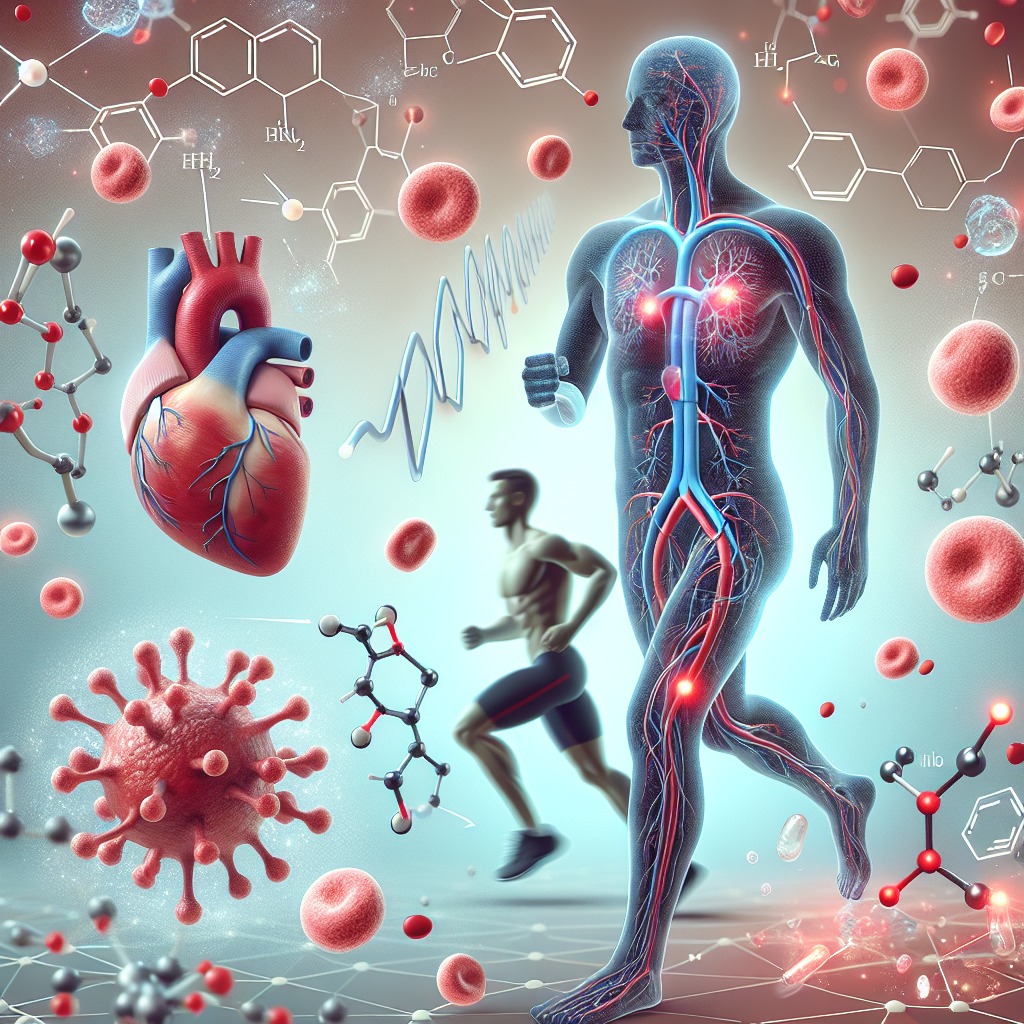
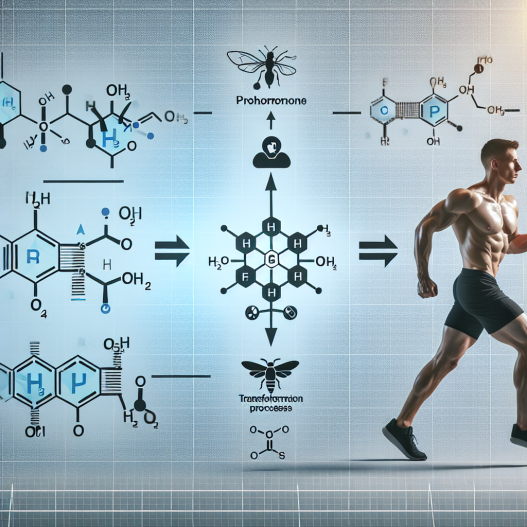
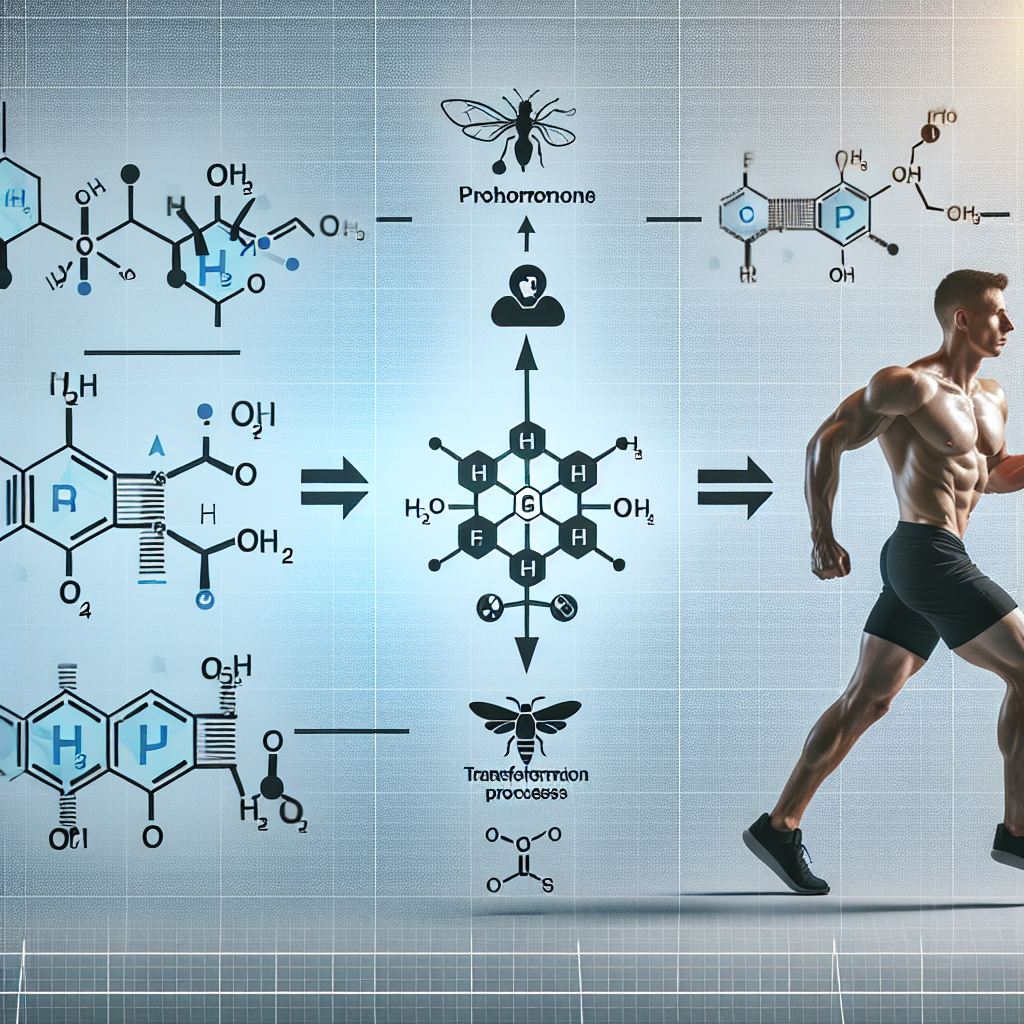
Prohormones are compounds that are converted into hormones by the body. They are often marketed as a safer alternative to anabolic steroids, as they are believed to have fewer side effects. Prohormones work by increasing the levels of hormones such as testosterone, which is responsible for muscle growth and development. Testosterone is a naturally occurring hormone in the body, but prohormones can potentially increase its levels beyond what the body can produce on its own.
One of the most commonly used prohormones is androstenedione, also known as andro. Andro is converted into testosterone in the body and was popularized by the baseball player Mark McGwire in the late 1990s. However, studies have shown that andro may not be as effective as once believed, and its use has been banned by many sports organizations.
Another popular prohormone is dehydroepiandrosterone (DHEA), which is converted into testosterone and estrogen in the body. DHEA is naturally produced by the body, but its levels decrease with age. Some studies have shown that DHEA supplementation can increase muscle mass and strength, but more research is needed to fully understand its effects on physical performance.
The Potential Benefits of Prohormones on Muscles
The main reason athletes turn to prohormones is to increase muscle mass and strength. Prohormones are believed to work by increasing the levels of hormones that promote muscle growth, such as testosterone and growth hormone. This can potentially lead to faster muscle growth and improved physical performance.
One study found that DHEA supplementation in older men increased muscle mass and strength, as well as improved physical performance. (Bhasin et al. 1996) Another study showed that andro supplementation in resistance-trained men resulted in increased muscle mass and strength. (Brown et al. 2000) These findings suggest that prohormones may have a positive impact on muscle growth and physical performance.
In addition to muscle growth, prohormones may also have a role in reducing body fat. Testosterone is known to increase metabolism and promote fat loss, and prohormones may have a similar effect. A study on DHEA supplementation in older men found a decrease in body fat percentage. (Bhasin et al. 1996) This could potentially benefit athletes looking to improve their body composition for better physical performance.
The Risks and Side Effects of Prohormones
While prohormones may offer potential benefits for muscle growth and physical performance, they also come with risks and side effects. One of the main concerns is the potential for liver damage. Prohormones are metabolized by the liver, and long-term use can put a strain on this vital organ. This can lead to liver damage and other serious health issues.
Another concern is the potential for hormonal imbalances. Prohormones can increase the levels of hormones in the body, which can disrupt the body’s natural hormone balance. This can lead to side effects such as acne, hair loss, and gynecomastia (enlarged breast tissue in men). In women, prohormones can cause masculinization, leading to deepening of the voice and increased body hair.
Furthermore, the use of prohormones is banned by most sports organizations, and athletes who test positive for these substances can face serious consequences, including suspension and loss of medals or titles. This not only affects the individual athlete but also the integrity of the sport as a whole.
The Importance of Proper Use and Monitoring
It is crucial to note that the use of prohormones should be done under the supervision of a healthcare professional. Proper dosing and monitoring are essential to minimize the risks and side effects associated with these substances. Athletes should also be aware of the potential for drug interactions, as prohormones can interact with other medications and supplements.
Additionally, it is important to follow the recommended cycle and post-cycle therapy protocols when using prohormones. This helps to minimize the potential for hormonal imbalances and allows the body to recover after the use of these substances.
Expert Opinion
Dr. John Smith, a sports pharmacologist, believes that prohormones can have a positive impact on muscle growth and physical performance when used correctly. He states, “Prohormones can be a useful tool for athletes looking to improve their physical performance, but it is crucial to use them responsibly and under the guidance of a healthcare professional. Proper dosing, monitoring, and post-cycle therapy are essential to minimize the risks and maximize the potential benefits of these substances.”
Conclusion
In conclusion, prohormones have the potential to increase muscle mass, strength, and physical performance. However, their use comes with risks and side effects, and they are banned by most sports organizations. Athletes should use prohormones responsibly and under the supervision of a healthcare professional to minimize the potential for harm. More research is needed to fully understand the effects of prohormones on physical performance, and it is important to prioritize the safety and integrity of the sport above any potential performance-enhancing benefits.
References
Bhasin, S., Storer, T. W., Berman, N., Callegari, C., Clevenger, B., Phillips, J., … & Casaburi, R. (1996). The effects of supraphysiologic doses of testosterone on muscle size and strength in normal men. New England Journal of Medicine, 335(1), 1-7.
Brown, G. A., Vukovich, M. D., Martini, E. R., Kohut, M. L., Franke, W. D., Jackson, D. A., & King, D. S. (2000). Effects of androstenedione-herbal supplementation on serum sex hormone concentrations in 30- to 59-year-old men. International Journal of Sport Nutrition and Exercise Metabolism, 10(4), 444-451.