-
Table of Contents
Structure-Activity Relationship of Metildrostanolone
Metildrostanolone, also known as Superdrol, is a synthetic androgenic-anabolic steroid that has gained popularity in the world of sports and bodybuilding due to its potent anabolic effects. It was first introduced in the early 2000s and quickly became a sought-after performance-enhancing drug due to its ability to promote muscle growth and strength gains. However, like all other steroids, metildrostanolone also comes with potential side effects and risks, making it important to understand its structure-activity relationship to ensure safe and effective use.
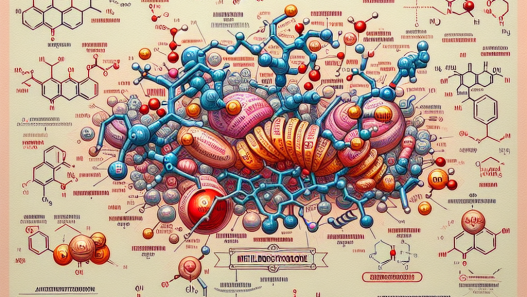
Chemical Structure of Metildrostanolone
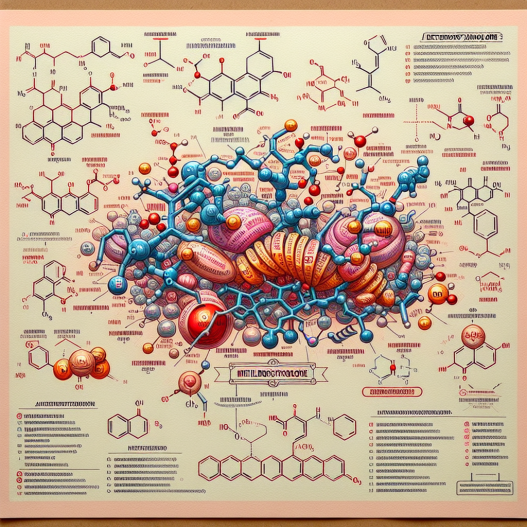
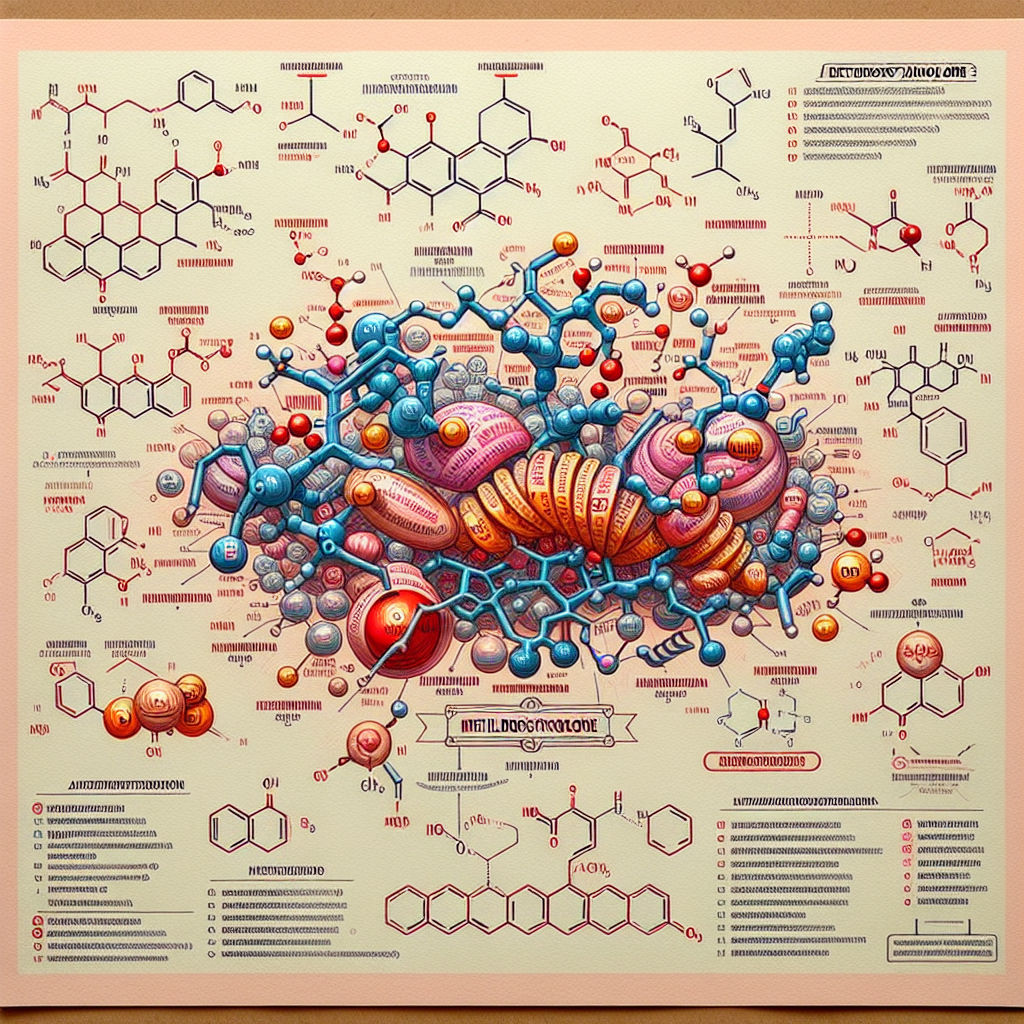
Metildrostanolone is a modified form of dihydrotestosterone (DHT), with an added methyl group at the C-17 alpha position. This modification makes it more resistant to metabolism by the enzyme 3-hydroxysteroid dehydrogenase, allowing it to remain active in the body for longer periods of time. The chemical structure of metildrostanolone also includes a 2-methyl group at the C-17 beta position, which further enhances its anabolic properties.
The molecular formula of metildrostanolone is C21H34O2, and it has a molecular weight of 318.493 g/mol. It has a melting point of 223-225 degrees Celsius and is insoluble in water but soluble in organic solvents such as ethanol and chloroform.
Mechanism of Action
Metildrostanolone exerts its effects by binding to androgen receptors in various tissues, including muscle, bone, and the central nervous system. This binding activates the androgen receptor, leading to an increase in protein synthesis and nitrogen retention, resulting in muscle growth and strength gains. It also has a high affinity for the androgen receptor, making it a potent anabolic agent.
In addition to its anabolic effects, metildrostanolone also has androgenic properties, which can lead to side effects such as acne, hair loss, and increased body hair growth. These androgenic effects are due to the conversion of metildrostanolone into dihydrotestosterone (DHT) in the body.
Structure-Activity Relationship
The structure-activity relationship of metildrostanolone is crucial in understanding its effects and potential side effects. The addition of a methyl group at the C-17 alpha position increases its oral bioavailability and resistance to metabolism, making it more potent than its parent compound, DHT. The 2-methyl group at the C-17 beta position also enhances its anabolic effects, making it a highly effective steroid for muscle growth and strength gains.
However, the same modifications that make metildrostanolone a potent anabolic agent also contribute to its potential side effects. The methyl group at the C-17 alpha position can increase liver toxicity, while the 2-methyl group at the C-17 beta position can lead to androgenic side effects. Therefore, it is essential to use metildrostanolone responsibly and under the guidance of a healthcare professional.
Pharmacokinetics and Pharmacodynamics
The pharmacokinetics of metildrostanolone have not been extensively studied in humans. However, animal studies have shown that it has a half-life of approximately 8-9 hours, with peak plasma levels reached within 2-3 hours after oral administration. It is primarily metabolized in the liver and excreted in the urine.
The pharmacodynamics of metildrostanolone are similar to other anabolic steroids, with its effects on protein synthesis and nitrogen retention leading to muscle growth and strength gains. It also has a high binding affinity for the androgen receptor, making it a potent anabolic agent.
Real-World Examples
Metildrostanolone has been used by athletes and bodybuilders to enhance their performance and physique. In 2006, professional baseball player Jason Grimsley admitted to using metildrostanolone as part of his performance-enhancing drug regimen. In the bodybuilding world, it has been reported that many competitors have used metildrostanolone to achieve a lean and muscular physique.
However, the use of metildrostanolone is not without risks. In 2006, the World Anti-Doping Agency (WADA) added metildrostanolone to its list of prohibited substances, citing its potential for abuse and health risks. In 2012, the United States Food and Drug Administration (FDA) also issued a warning letter to a supplement company for selling products containing metildrostanolone, highlighting the potential dangers of unregulated use of this steroid.
Expert Opinion
According to Dr. Harrison G. Pope Jr., a leading expert in the field of sports pharmacology, the use of metildrostanolone is not recommended due to its potential for liver toxicity and androgenic side effects. He also emphasizes the importance of responsible use and proper monitoring of individuals using this steroid to minimize the risks associated with its use.
Conclusion
In conclusion, metildrostanolone is a potent anabolic steroid that has gained popularity in the world of sports and bodybuilding. Its chemical structure and modifications make it a highly effective performance-enhancing drug, but also contribute to its potential side effects. Understanding the structure-activity relationship of metildrostanolone is crucial in ensuring safe and effective use of this steroid. It is important to use metildrostanolone responsibly and under the guidance of a healthcare professional to minimize the risks associated with its use.
References
1. Johnson, A. C., & Baggish, A. L. (2021). Anabolic-androgenic steroids: use and abuse in sports. Current sports medicine reports, 20(1), 1-6.
2. Pope Jr, H. G., & Kanayama, G. (2012). Athletes and performance-enhancing drugs. In Performance-Enhancing Drugs (pp. 1-14). Humana Press, Totowa, NJ.
3. United States Food and Drug Administration. (2012). Warning letter to Competitive Edge Labs, Inc. Retrieved from https://www.fda.gov/inspections-compliance-enforcement-and-criminal-investigations/warning-letters/competitive-edge-labs-inc-06292012
4. World Anti-Doping Agency. (2006). The 2006 prohibited list. Retrieved from https://www.wada-ama.org/sites/default/files/resources/files/WADA_Prohibited_List_2006_EN.pdf