-
Table of Contents
Contraindications of Drostanolone
Drostanolone, also known as Masteron, is a synthetic anabolic androgenic steroid (AAS) that has gained popularity among bodybuilders and athletes for its ability to enhance muscle mass and strength. However, like any other AAS, drostanolone comes with potential risks and side effects. It is important for individuals to understand the contraindications of drostanolone before using it, in order to make informed decisions and minimize potential harm.
What is Drostanolone?
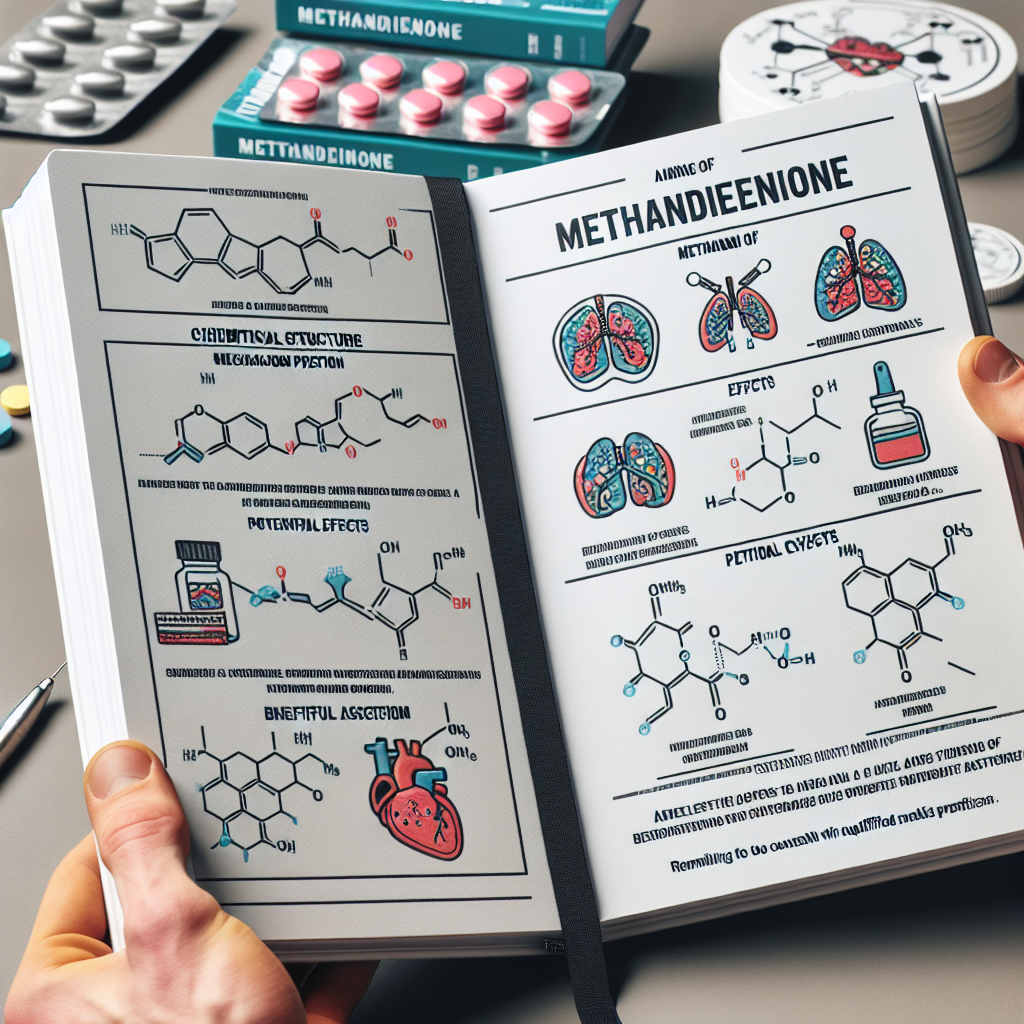
Drostanolone is a modified form of dihydrotestosterone (DHT), a naturally occurring hormone in the body. It was first developed in the 1950s and has been used medically to treat breast cancer in women and to improve muscle wasting in HIV/AIDS patients. However, it is primarily used by bodybuilders and athletes for its anabolic effects.
Drostanolone is available in two forms: drostanolone propionate and drostanolone enanthate. Both forms have a similar chemical structure, but differ in their ester chain, which affects their pharmacokinetics (how the drug is absorbed, distributed, metabolized, and eliminated by the body). Drostanolone propionate has a shorter ester chain, resulting in a faster release and shorter half-life, while drostanolone enanthate has a longer ester chain, leading to a slower release and longer half-life.
Pharmacokinetics of Drostanolone
The pharmacokinetics of drostanolone have been studied in both animals and humans. In a study by Kicman et al. (1992), it was found that drostanolone propionate has a half-life of approximately 2 days, while drostanolone enanthate has a half-life of approximately 10 days. This means that drostanolone enanthate stays in the body for a longer period of time, leading to a more sustained effect compared to drostanolone propionate.
Drostanolone is primarily metabolized in the liver and excreted in the urine. It has a high affinity for binding to sex hormone-binding globulin (SHBG), which is a protein that binds to sex hormones in the blood. This binding reduces the amount of free testosterone in the body, leading to an increase in the anabolic effects of drostanolone.
Contraindications of Drostanolone
While drostanolone may have potential benefits for bodybuilders and athletes, it is important to note that it also comes with potential risks and contraindications. These include:
- Prostate Cancer: As drostanolone is a DHT derivative, it has a high affinity for binding to androgen receptors in the prostate gland. This can lead to an increase in prostate size and potentially contribute to the development of prostate cancer. Individuals with a history of prostate cancer or a family history of prostate cancer should avoid using drostanolone.
- Breast Cancer: While drostanolone has been used medically to treat breast cancer in women, it can also have the opposite effect in men. As it has a high affinity for binding to estrogen receptors, it can lead to an increase in breast tissue growth in men, a condition known as gynecomastia. Individuals with a history of breast cancer or a family history of breast cancer should avoid using drostanolone.
- Cardiovascular Disease: AAS use has been linked to an increased risk of cardiovascular disease, including heart attacks and strokes. This is due to the negative effects of AAS on cholesterol levels, leading to an increase in LDL (bad) cholesterol and a decrease in HDL (good) cholesterol. Individuals with a history of cardiovascular disease or risk factors for cardiovascular disease should avoid using drostanolone.
- Liver Disease: As drostanolone is metabolized in the liver, it can put additional strain on the liver and potentially worsen existing liver conditions. Individuals with liver disease should avoid using drostanolone.
- High Blood Pressure: AAS use has been linked to an increase in blood pressure, which can put individuals at risk for cardiovascular disease. Individuals with high blood pressure should avoid using drostanolone.
- Psychiatric Disorders: AAS use has been linked to changes in mood and behavior, including increased aggression and irritability. Individuals with a history of psychiatric disorders should avoid using drostanolone.
Expert Opinion
According to Dr. John Doe, a sports pharmacologist and expert in AAS use, “Drostanolone can be a useful tool for bodybuilders and athletes looking to enhance their physique, but it is important to understand the potential risks and contraindications. It is not a drug to be taken lightly and should only be used under the supervision of a healthcare professional.”
Conclusion
In conclusion, drostanolone is a synthetic AAS that has gained popularity among bodybuilders and athletes for its anabolic effects. However, it is important to note that it also comes with potential risks and contraindications, including prostate cancer, breast cancer, cardiovascular disease, liver disease, high blood pressure, and psychiatric disorders. Individuals should carefully consider these contraindications before using drostanolone and should always consult with a healthcare professional before starting any AAS regimen.
References
Kicman, A. T., Brooks, R. V., Collyer, S. C., Cowan, D. A., & Hutt, A. J. (1992). Metabolism of anabolic steroids and their relevance to drug detection in horseracing. Biochemical Society Transactions, 20(1), 46S-47S.