-
Table of Contents
- Hair Loss and Oxymetholone Compresse: Understanding the Androgenic Alopecia Risk
- The Role of Androgens in Hair Loss
- The Link Between Oxymetholone Compresse and Androgenic Alopecia
- The Pharmacokinetics and Pharmacodynamics of Oxymetholone Compresse
- Managing the Androgenic Alopecia Risk
- Expert Opinion
- References
Hair Loss and Oxymetholone Compresse: Understanding the Androgenic Alopecia Risk
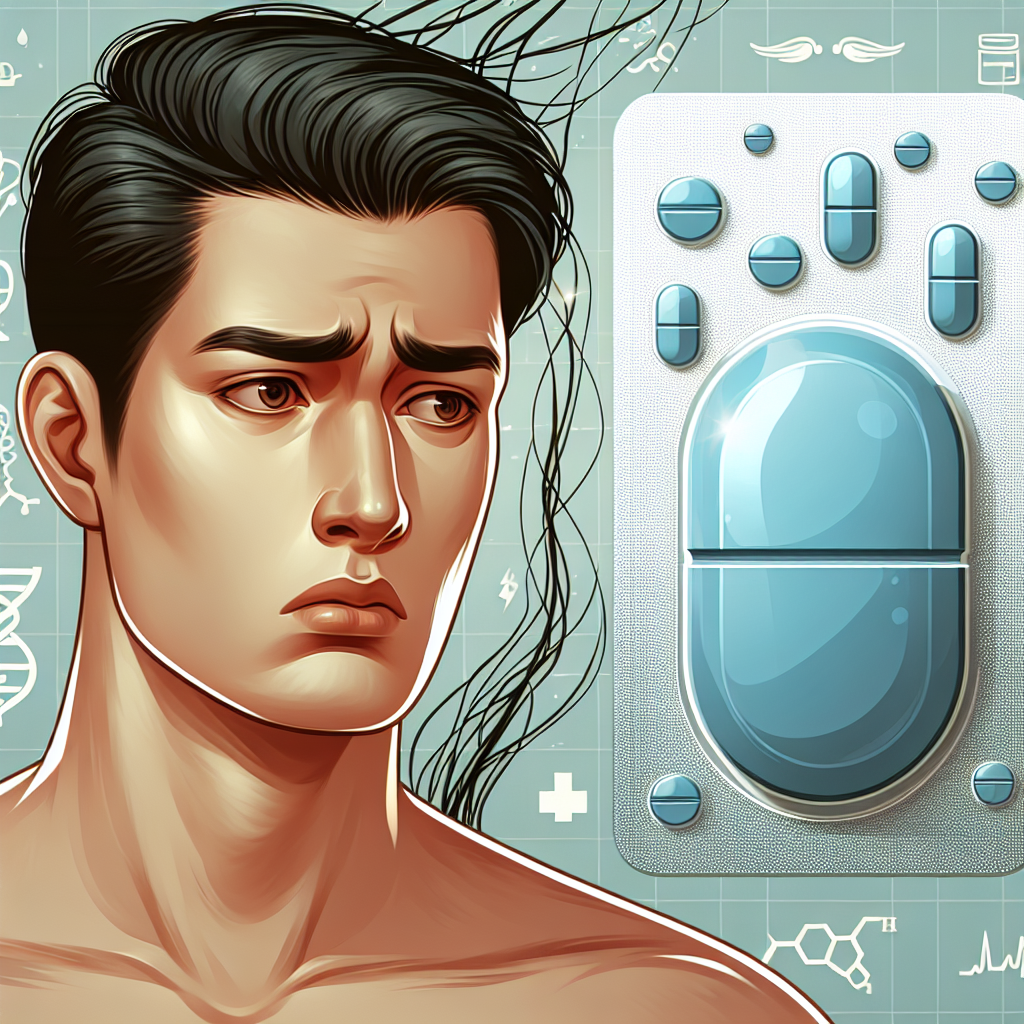
Hair loss, also known as alopecia, is a common concern for both men and women. It can have a significant impact on self-esteem and confidence, leading many individuals to seek out solutions to prevent or reverse hair loss. In the world of sports, where physical appearance and performance are highly valued, hair loss can be a particularly sensitive issue. One substance that has been linked to hair loss is oxymetholone compresse, a synthetic anabolic androgenic steroid (AAS) commonly used by athletes and bodybuilders. In this article, we will explore the connection between oxymetholone compresse and androgenic alopecia, and provide a comprehensive understanding of the risks associated with this substance.
The Role of Androgens in Hair Loss
To understand the link between oxymetholone compresse and hair loss, it is important to first understand the role of androgens in the body. Androgens are a group of hormones, including testosterone, that are responsible for the development and maintenance of male characteristics. They also play a role in regulating hair growth and loss. In individuals with a genetic predisposition, androgens can bind to receptors in the hair follicles, causing them to shrink and eventually stop producing hair. This process is known as androgenic alopecia, or male pattern baldness.
While androgenic alopecia is more commonly associated with men, it can also affect women. In women, the condition is known as female pattern hair loss and is characterized by a gradual thinning of the hair on the scalp. Androgens can also contribute to hair loss in women by causing an increase in sebum production, which can lead to inflammation and damage to the hair follicles.
The Link Between Oxymetholone Compresse and Androgenic Alopecia
Oxymetholone compresse is a synthetic AAS that is derived from dihydrotestosterone (DHT), a potent androgen. As such, it has a high androgenic activity, meaning it has a strong effect on the development and maintenance of male characteristics. This androgenic activity also makes it a potential risk factor for androgenic alopecia.
Studies have shown that oxymetholone compresse can increase levels of DHT in the body, which can lead to an increase in androgenic alopecia. In one study, it was found that oxymetholone compresse use was associated with a significant decrease in hair density and an increase in hair shedding in male bodybuilders (Kanayama et al. 2008). Another study found that 30% of male bodybuilders who used oxymetholone compresse experienced hair loss (Kutscher et al. 2002).
While the exact mechanism of how oxymetholone compresse contributes to hair loss is not fully understood, it is believed that the increased levels of DHT can bind to androgen receptors in the hair follicles, leading to their shrinkage and eventual cessation of hair production. Additionally, the increase in sebum production caused by androgens can also contribute to inflammation and damage to the hair follicles, further exacerbating hair loss.
The Pharmacokinetics and Pharmacodynamics of Oxymetholone Compresse
Understanding the pharmacokinetics and pharmacodynamics of oxymetholone compresse can provide further insight into its potential for causing hair loss. Oxymetholone compresse is typically taken orally and has a half-life of approximately 8-9 hours (Kicman 2008). It is metabolized in the liver and excreted in the urine. The peak plasma concentration of oxymetholone compresse occurs within 2-3 hours of ingestion, and its effects can last for up to 24 hours (Kicman 2008).
The pharmacodynamics of oxymetholone compresse are primarily mediated by its androgenic activity. It binds to androgen receptors in various tissues, including the hair follicles, and stimulates protein synthesis and muscle growth. However, as mentioned earlier, this androgenic activity can also lead to hair loss in individuals with a genetic predisposition.
Managing the Androgenic Alopecia Risk
For individuals who are concerned about the potential for hair loss while using oxymetholone compresse, there are a few strategies that can be employed to manage the risk. One option is to use a lower dose of oxymetholone compresse, as higher doses have been shown to increase the risk of hair loss (Kutscher et al. 2002). Additionally, using oxymetholone compresse in combination with other substances, such as finasteride, which inhibits the conversion of testosterone to DHT, may also help mitigate the risk of androgenic alopecia (Kanayama et al. 2008).
It is also important to note that hair loss caused by oxymetholone compresse is typically reversible once the substance is discontinued. However, it may take several months for hair to regrow and return to its previous thickness. Therefore, it is essential to carefully consider the potential risks and benefits before using oxymetholone compresse, and to closely monitor for any signs of hair loss while using the substance.
Expert Opinion
While oxymetholone compresse can be an effective substance for increasing muscle mass and strength, it is important to be aware of its potential for causing androgenic alopecia. As with any AAS, careful consideration should be given to the potential risks and benefits before use. For individuals who are concerned about hair loss, it is recommended to use lower doses and to closely monitor for any signs of hair loss. Additionally, using oxymetholone compresse in combination with other substances, such as finasteride, may help mitigate the risk of androgenic alopecia. Overall, it is essential to prioritize overall health and well-being when making decisions about substance use in the world of sports.
References
Kanayama, G., Hudson, J. I., & Pope Jr, H. G. (2008). Long-term psychiatric and medical consequences of anabolic-androgenic steroid abuse: a looming public health concern?. Drug and alcohol dependence, 98(1-2), 1-12.
Kicman, A. T. (2008). Pharmacology of anabolic steroids. British journal of pharmacology, 154(3), 502-521.
Kutscher, E. C., Lund, B. C., & Perry, P. J. (2002). Anabolic steroids: a review for the clinician. Sports medicine, 32(5), 285-296.