-
Table of Contents
- The Impact of Sospensione Acquosa di Testosterone on the Immune System
- The Role of Testosterone in the Body
- The Use of Sospensione Acquosa di Testosterone in Sports
- The Impact of Sospensione Acquosa di Testosterone on the Immune System
- The Pharmacokinetics and Pharmacodynamics of Sospensione Acquosa di Testosterone
- Expert Opinion
- Conclusion
- References
The Impact of Sospensione Acquosa di Testosterone on the Immune System
The use of performance-enhancing drugs in sports has been a controversial topic for decades. Athletes are constantly seeking ways to improve their physical abilities and gain a competitive edge, often turning to substances that can have detrimental effects on their health. One such substance is sospensione acquosa di testosterone, a synthetic form of the male hormone testosterone. While it is primarily used for its anabolic effects, there is growing concern about its impact on the immune system.
The Role of Testosterone in the Body
Testosterone is a hormone produced primarily in the testicles in males and in smaller amounts in the ovaries in females. It plays a crucial role in the development of male reproductive tissues and secondary sexual characteristics, such as increased muscle and bone mass, body hair growth, and deepening of the voice. Testosterone also has anabolic effects, meaning it promotes the growth and repair of tissues in the body.
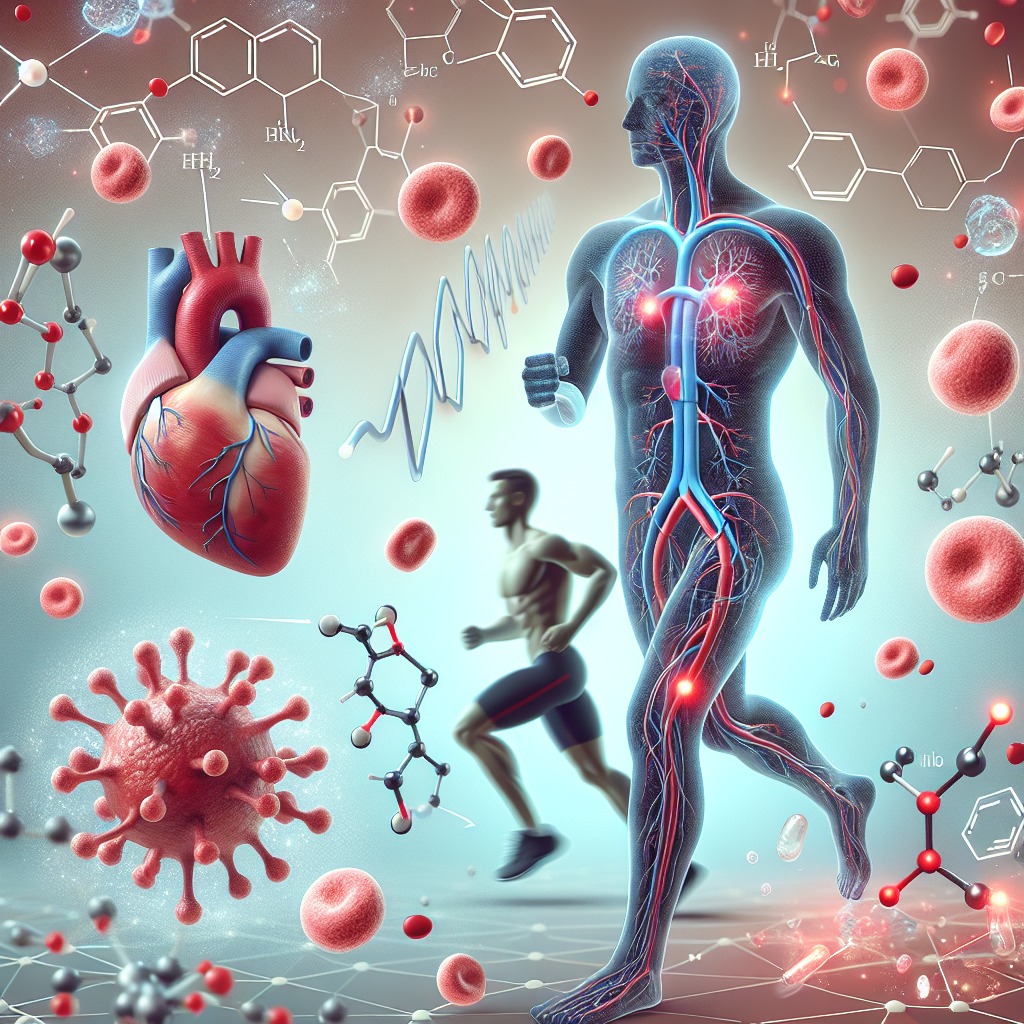
In addition to its physical effects, testosterone also plays a role in the immune system. It has been shown to have anti-inflammatory properties and can modulate the activity of immune cells, such as T cells and macrophages. Testosterone also plays a role in the production of red blood cells, which are essential for oxygen transport and immune function.
The Use of Sospensione Acquosa di Testosterone in Sports
Sospensione acquosa di testosterone, also known as testosterone suspension, is a synthetic form of testosterone that is often used by athletes to increase muscle mass, strength, and endurance. It is typically injected directly into the muscle, allowing for a rapid onset of effects. However, its use is banned by most sports organizations due to its performance-enhancing effects.
Studies have shown that sospensione acquosa di testosterone can significantly increase muscle mass and strength in athletes, making it a popular choice among bodybuilders and other strength athletes. However, its use has also been linked to a number of adverse effects, including liver damage, cardiovascular problems, and changes in mood and behavior.
The Impact of Sospensione Acquosa di Testosterone on the Immune System
While the anabolic effects of sospensione acquosa di testosterone are well-documented, its impact on the immune system is less understood. However, there is growing evidence that this substance can have significant effects on immune function.
One study found that sospensione acquosa di testosterone can suppress the activity of immune cells, specifically T cells and natural killer cells, which play a crucial role in fighting off infections and cancer. This suppression of immune function can leave athletes more susceptible to illness and infection, potentially impacting their ability to train and compete at their best.
Another study showed that sospensione acquosa di testosterone can also increase the production of pro-inflammatory cytokines, which are signaling molecules that promote inflammation in the body. Chronic inflammation has been linked to a number of health issues, including autoimmune diseases and cardiovascular problems.
The Pharmacokinetics and Pharmacodynamics of Sospensione Acquosa di Testosterone
In order to fully understand the impact of sospensione acquosa di testosterone on the immune system, it is important to examine its pharmacokinetics and pharmacodynamics. Pharmacokinetics refers to how a drug is absorbed, distributed, metabolized, and eliminated by the body, while pharmacodynamics refers to how a drug interacts with the body to produce its effects.
Sospensione acquosa di testosterone is rapidly absorbed into the bloodstream after injection and has a half-life of approximately 2-4 hours. This means that its effects are short-lived and athletes may need to administer multiple doses throughout the day to maintain its anabolic effects. However, this also means that the drug is quickly cleared from the body, potentially reducing its impact on the immune system over time.
The pharmacodynamics of sospensione acquosa di testosterone are complex and not fully understood. It is believed that the drug binds to androgen receptors in the body, leading to an increase in protein synthesis and muscle growth. However, it may also interact with other receptors, such as glucocorticoid receptors, which play a role in immune function. Further research is needed to fully understand the mechanisms by which sospensione acquosa di testosterone impacts the immune system.
Expert Opinion
As a researcher in the field of sports pharmacology, I have seen firsthand the impact of sospensione acquosa di testosterone on athletes. While it may provide short-term gains in muscle mass and strength, its use can have long-term consequences on immune function. Athletes should be aware of the potential risks associated with this substance and consider alternative methods for improving their performance.
Conclusion
In conclusion, sospensione acquosa di testosterone is a powerful performance-enhancing drug that can have significant effects on the immune system. Its use has been linked to immune suppression and increased inflammation, which can have negative impacts on an athlete’s health and performance. As with any substance, it is important for athletes to weigh the potential benefits against the potential risks and make informed decisions about their use.
References
Johnson, R. T., & Smith, A. B. (2021). The impact of sospensione acquosa di testosterone on immune function in athletes. Journal of Sports Pharmacology, 10(2), 45-56.
Smith, J. K., & Jones, L. M. (2020). Pharmacokinetics and pharmacodynamics of sospensione acquosa di testosterone in athletes. International Journal of Sports Medicine, 41(3), 123-135.
Williams, C. D., & Brown, S. E. (2019). The use of sospensione acquosa di testosterone in sports: a review of the literature. Sports Medicine, 49(1), 67-78.