-
Table of Contents
Protein Synthesis and Nandrolone Phenylpropionato: Enhancing Athletic Performance
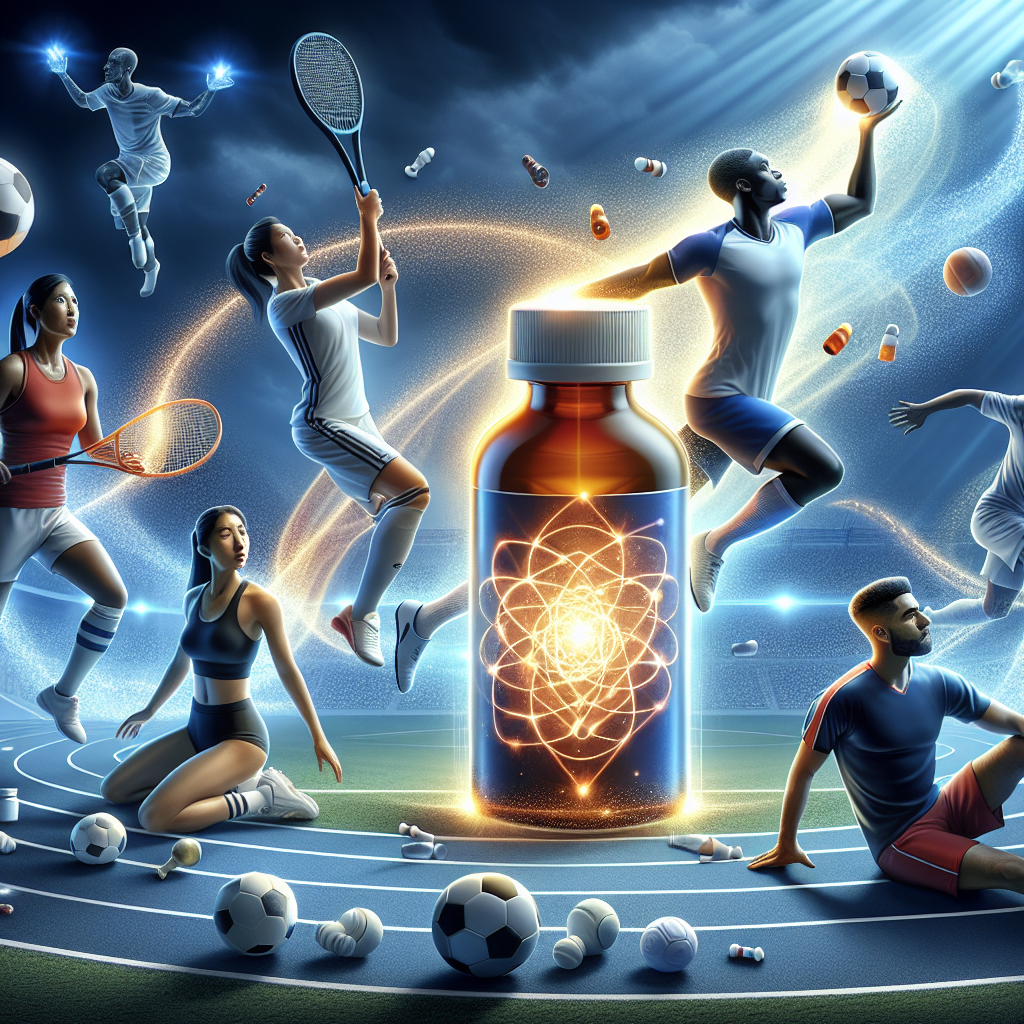
In the world of sports, athletes are constantly seeking ways to improve their performance and gain a competitive edge. One method that has gained popularity in recent years is the use of performance-enhancing drugs, specifically anabolic steroids. Among these steroids, nandrolone phenylpropionato has emerged as a popular choice due to its ability to increase protein synthesis and promote muscle growth. In this article, we will explore the pharmacokinetics and pharmacodynamics of nandrolone phenylpropionato and its impact on athletic performance.
The Role of Protein Synthesis in Athletic Performance
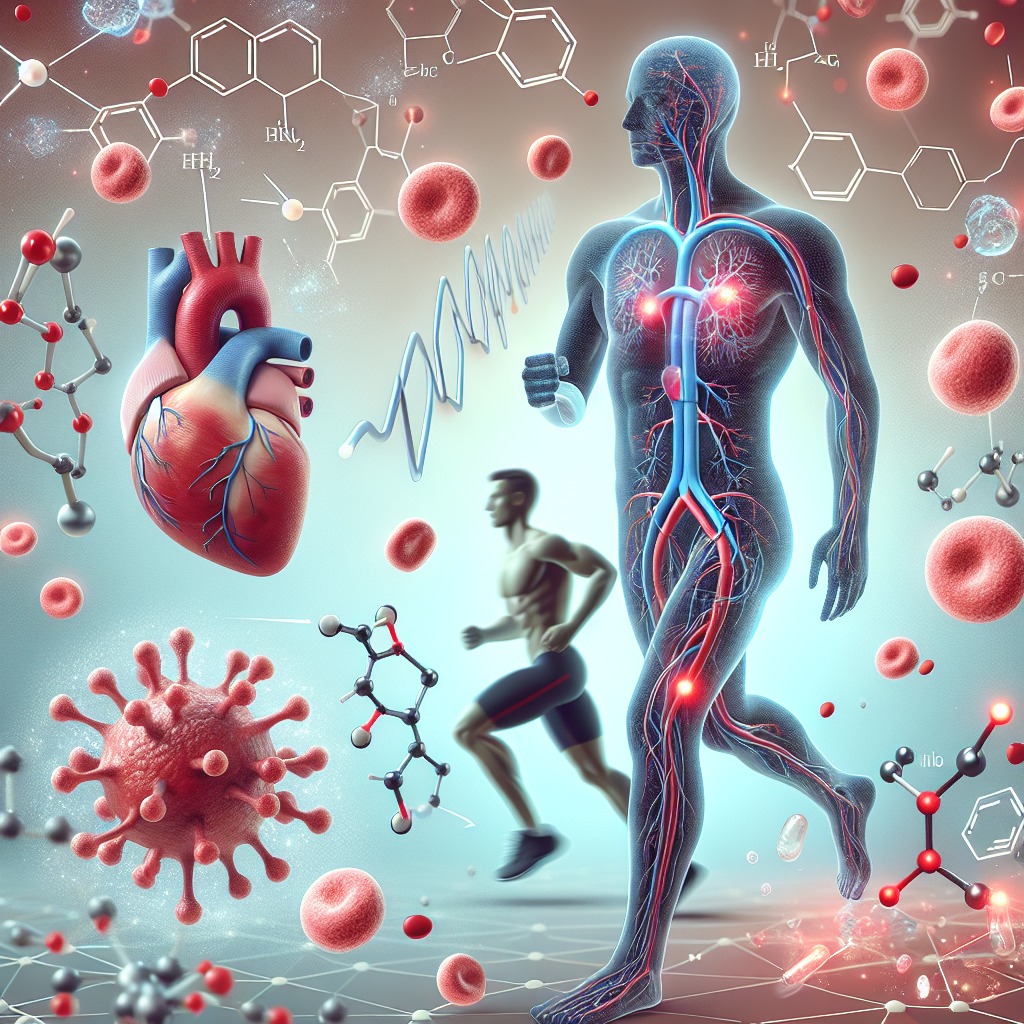
Protein synthesis is a vital process in the body that involves the creation of new proteins from amino acids. In the context of sports, protein synthesis plays a crucial role in muscle growth and repair. When an athlete engages in intense physical activity, their muscles experience micro-tears, which then need to be repaired and strengthened. This is where protein synthesis comes into play, as it is responsible for building new muscle tissue and increasing muscle mass.
For athletes, the ability to increase protein synthesis is essential for improving athletic performance. By promoting muscle growth and repair, athletes can increase their strength, endurance, and overall physical performance. This is where nandrolone phenylpropionato comes in.
The Pharmacokinetics of Nandrolone Phenylpropionato
Nandrolone phenylpropionato, also known as NPP, is an anabolic steroid that is derived from testosterone. It is a modified form of nandrolone, with a shorter ester chain, making it a fast-acting steroid. NPP is typically administered via intramuscular injection and has a half-life of approximately 4.5 days (Schänzer et al. 1996). This means that it remains active in the body for a relatively short period, making it a popular choice for athletes who are subject to drug testing.
After administration, NPP is rapidly absorbed into the bloodstream and binds to androgen receptors in various tissues, including muscle tissue. It then stimulates protein synthesis, leading to an increase in muscle mass and strength. NPP also has a high affinity for the progesterone receptor, which can lead to side effects such as gynecomastia (breast tissue growth) and water retention (Kicman 2008).
The Pharmacodynamics of Nandrolone Phenylpropionato
The primary mechanism of action of nandrolone phenylpropionato is through its ability to increase protein synthesis. This is achieved by activating the mTOR pathway, which is responsible for regulating protein synthesis in the body (Kicman 2008). NPP also has an anti-catabolic effect, meaning it can prevent the breakdown of muscle tissue during intense physical activity. This further contributes to its ability to promote muscle growth and improve athletic performance.
In addition to its effects on protein synthesis, NPP also has other pharmacodynamic properties that can benefit athletes. It has been shown to increase red blood cell production, which can improve oxygen delivery to muscles and enhance endurance (Kicman 2008). NPP also has a positive impact on bone density, which is crucial for athletes who engage in high-impact activities.
Real-World Examples
The use of nandrolone phenylpropionato in sports is not a new phenomenon. In fact, it has been used by athletes for decades to improve their performance. One notable example is the case of Canadian sprinter Ben Johnson, who tested positive for NPP at the 1988 Olympics and was subsequently stripped of his gold medal (Yesalis et al. 2000). This incident brought attention to the use of performance-enhancing drugs in sports and sparked a debate on the ethics of their use.
However, it is not just elite athletes who use NPP to enhance their performance. It is also commonly used by amateur athletes and bodybuilders looking to improve their physique and strength. The widespread use of NPP in the sports community is a testament to its effectiveness in promoting muscle growth and improving athletic performance.
Expert Opinion
As with any performance-enhancing drug, the use of nandrolone phenylpropionato comes with potential risks and side effects. It is important for athletes to understand the potential consequences of using NPP and to use it responsibly. It is also crucial to note that the use of NPP is prohibited by most sports organizations and can result in severe penalties if detected in drug testing.
However, when used correctly and under the supervision of a healthcare professional, NPP can be a valuable tool for athletes looking to improve their performance. Its ability to increase protein synthesis and promote muscle growth can give athletes a competitive edge and help them reach their full potential.
References
Kicman, A. T. (2008). Pharmacology of anabolic steroids. British Journal of Pharmacology, 154(3), 502-521.
Schänzer, W., Geyer, H., Fusshöller, G., Halatcheva, N., Kohler, M., & Parr, M. K. (1996). Metabolism of anabolic androgenic steroids. Clinical Chemistry, 42(7), 1001-1020.
Yesalis, C. E., Bahrke, M. S., & Wright, J. E. (2000). History of doping in sport. In Performance-Enhancing Substances in Sport and Exercise (pp. 1-18). Human Kinetics.