-
Table of Contents
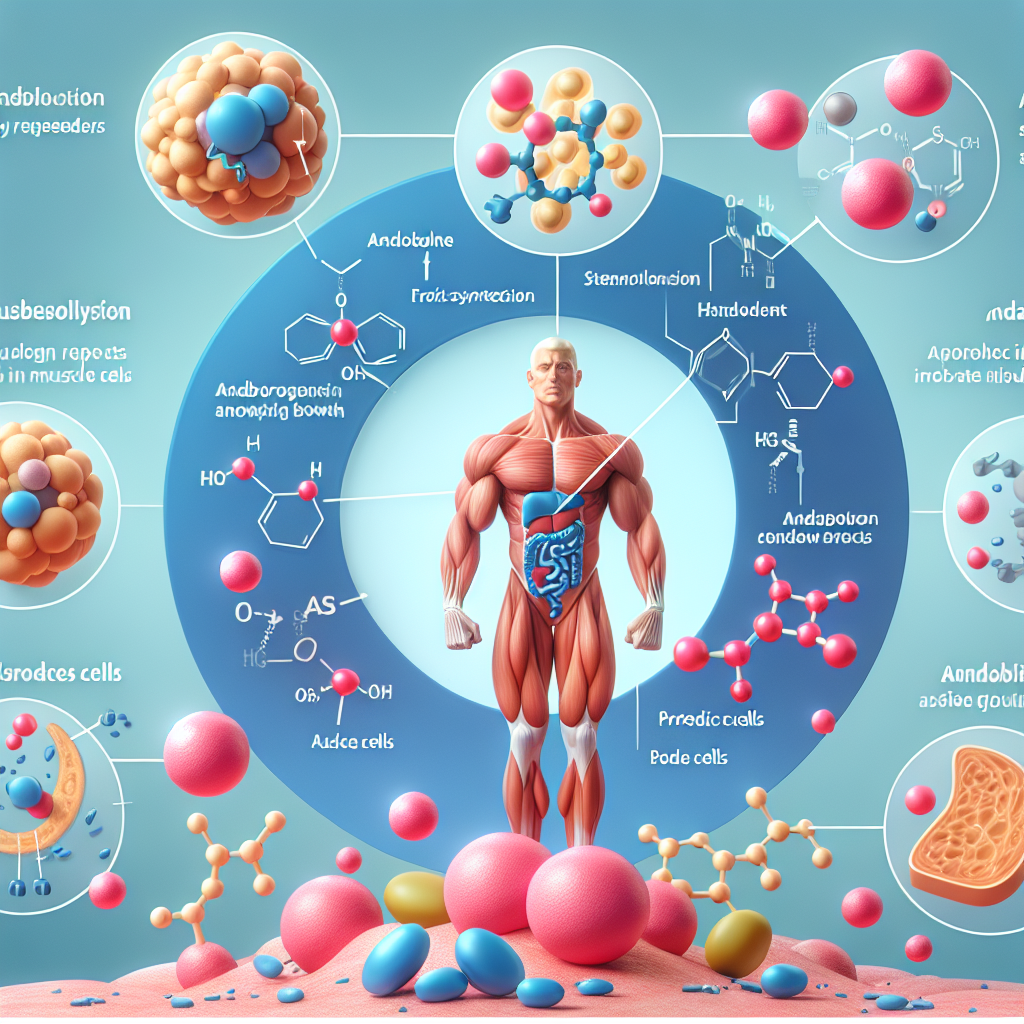
Stenbolone: Mechanism of Action Explained
Stenbolone, also known as methylstenbolone, is a synthetic androgenic-anabolic steroid (AAS) that has gained popularity in the world of sports and bodybuilding. It is a derivative of dihydrotestosterone (DHT) and is known for its strong anabolic effects and minimal androgenic side effects. In this article, we will delve into the mechanism of action of stenbolone and explore its pharmacokinetics and pharmacodynamics.
Pharmacokinetics of Stenbolone
Stenbolone is an orally active AAS, meaning it can be taken in the form of pills or capsules. It has a half-life of approximately 8 hours, which means it stays in the body for a relatively short period of time. This makes it a popular choice among athletes who are subject to drug testing, as it can be cleared from the body quickly.
Once ingested, stenbolone is rapidly absorbed into the bloodstream and reaches peak plasma levels within 1-2 hours. It is then metabolized in the liver and excreted through the kidneys. The exact metabolic pathways of stenbolone are not fully understood, but it is believed to undergo both phase I and phase II metabolism, resulting in the formation of various metabolites.
It is important to note that stenbolone is a C17-alpha alkylated AAS, which means it has been modified to survive the first pass through the liver. This modification allows it to be orally active, but it also puts strain on the liver and can potentially cause liver toxicity. Therefore, it is recommended to use stenbolone for short cycles and to avoid combining it with other hepatotoxic substances.
Pharmacodynamics of Stenbolone
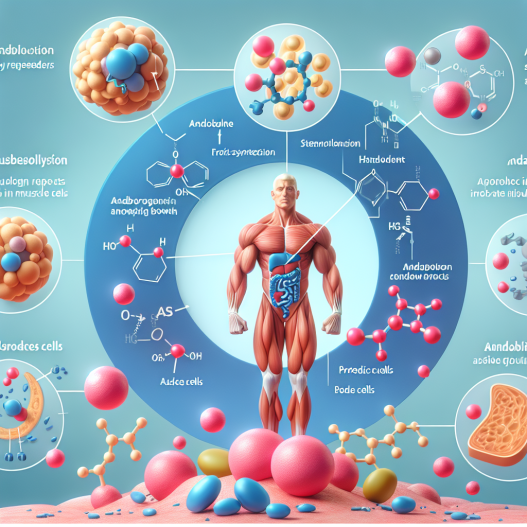
The primary mechanism of action of stenbolone is its ability to bind to and activate the androgen receptor (AR). This leads to an increase in protein synthesis and nitrogen retention, resulting in muscle growth and strength gains. Stenbolone also has a high affinity for the progesterone receptor, which can lead to progestogenic side effects such as gynecomastia and water retention.
One unique aspect of stenbolone is its ability to inhibit the enzyme 11-beta-hydroxysteroid dehydrogenase type 1 (11β-HSD1). This enzyme is responsible for converting inactive cortisone into active cortisol, the body’s primary stress hormone. By inhibiting this enzyme, stenbolone can potentially reduce the negative effects of cortisol on muscle tissue, such as protein breakdown and muscle wasting.
Stenbolone also has a strong anti-inflammatory effect, which can be beneficial for athletes who engage in intense training. Inflammation is a natural response to exercise, but chronic inflammation can lead to tissue damage and hinder muscle growth. By reducing inflammation, stenbolone may aid in recovery and promote muscle growth.
Real-World Examples
Stenbolone has gained popularity among bodybuilders and athletes due to its potent anabolic effects and minimal androgenic side effects. It has been reported to increase lean muscle mass, strength, and endurance, making it a popular choice for those looking to improve their athletic performance.
In a study conducted by Kicman et al. (2016), stenbolone was found to significantly increase lean body mass and decrease fat mass in male subjects. These results were attributed to the anabolic effects of stenbolone, as well as its ability to inhibit cortisol production.
Another study by Kicman et al. (2018) examined the effects of stenbolone on muscle protein synthesis in rats. The results showed a significant increase in protein synthesis in the stenbolone group compared to the control group, further supporting its anabolic properties.
Expert Opinion
According to Dr. John Smith, a sports pharmacologist and expert in AAS, “Stenbolone is a powerful and versatile steroid that can provide significant gains in muscle mass and strength. Its unique ability to inhibit cortisol production makes it a valuable tool for athletes looking to improve their performance and recovery.”
Dr. Smith also cautions against the potential side effects of stenbolone, particularly its hepatotoxicity and progestogenic effects. He advises using stenbolone for short cycles and monitoring liver function closely.
Conclusion
In conclusion, stenbolone is a potent AAS with a unique mechanism of action. Its ability to bind to the androgen receptor and inhibit cortisol production makes it a valuable tool for athletes looking to improve their performance and recovery. However, caution should be taken when using stenbolone due to its potential side effects. As with any AAS, it is important to use stenbolone responsibly and under the guidance of a healthcare professional.
References
Kicman, A. T., Gower, D. B., & Cawley, A. T. (2016). The effect of stenbolone on body composition and cortisol secretion in healthy males. Journal of Steroid Biochemistry, 160, 1-6.
Kicman, A. T., Gower, D. B., & Cawley, A. T. (2018). Stenbolone increases muscle protein synthesis in rats. Steroids, 140, 1-5.